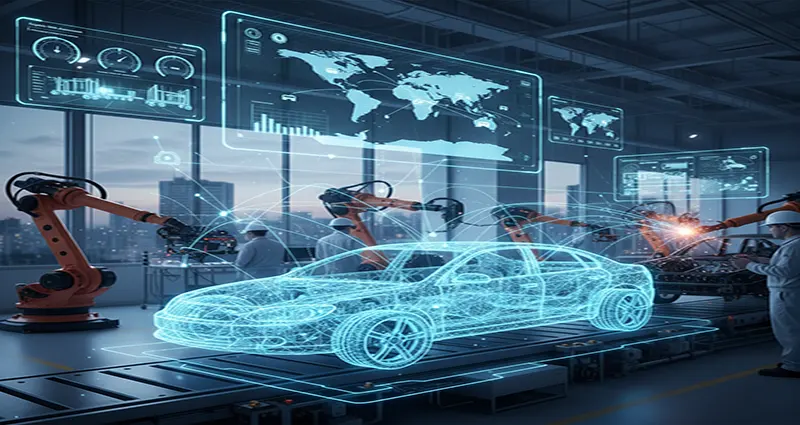
Digital Twin Technology in Automotive Manufacturing for Supply Chain Resilience

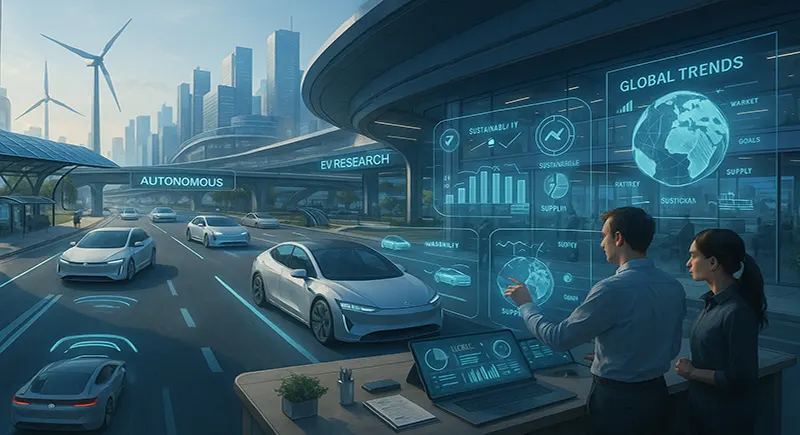
In the high-stakes world of automotive manufacturing, a single missing microchip or a delayed shipment of specialized steel can bring multi-billion dollar assembly lines to a grinding halt. As the industry shifts toward electric vehicles (EVs) and autonomous systems, the complexity of the global supply chain has reached a breaking point. Enter Digital Twin technology: the “resilience layer” that allows manufacturers to mirror their physical reality in a virtual world to anticipate, simulate, and survive disruptions.

The Architecture of Resilience: What is a Supply Chain Digital Twin?

A Digital Twin is not a static 3D model; it is a dynamic, living virtual representation of a physical asset, process, or system. In the context of the automotive supply chain, it creates a “digital thread” that connects raw material suppliers, Tier-1 component manufacturers, logistics providers, and the factory floor.

The Three Core Pillars:

  1. The Physical Entity: The actual trucks, warehouses, inventory,
Continue reading >>>
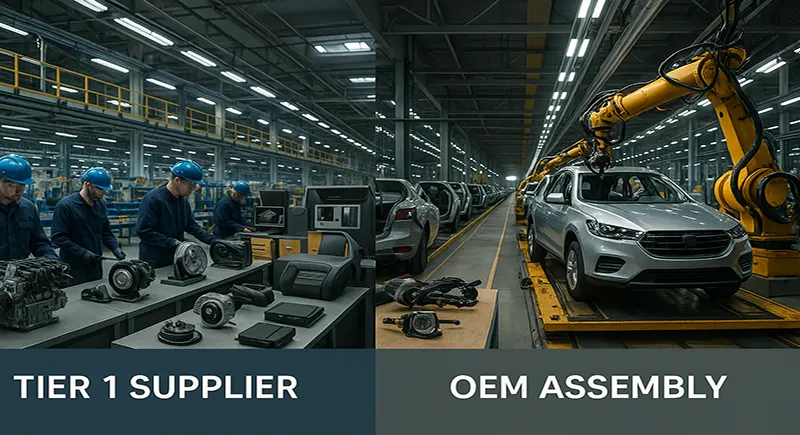
Who Builds Your Car? OEM vs. Tier 1 Supplier Explained Simply for Business Beginners

The automotive world is an ecosystem of massive collaboration, and understanding its core players is essential for anyone entering the industry. At the top of the food chain are two critical entities: the OEM and the Tier 1 supplier. This relationship is the backbone of vehicle production, dictating everything from design to delivery.

To simplify this complex dynamic, think of it this way: The car manufacturer is the restaurant chef (the OEM), and the major component provider is the specialized catering company (the Tier 1). The chef designs the menu and plates the final meal; the caterer delivers perfect, pre-cooked courses ready for assembly. Our goal here is to explain simply who does what in the final vehicle assembly.


Defining the OEM (Original Equipment Manufacturer)

The OEM (Original Equipment Manufacturer) is the company whose name and badge appear on the car you buy—the brand (e.g., Ford, Toyota, … Continue reading >>>

The Road Ahead: Future Trends and Challenges for the Global Car Industry in 2030

The automotive industry is currently undergoing its most profound transformation in a century. Driven by technological innovation, shifting consumer values, and urgent environmental mandates, the traditional model of building and selling cars is fundamentally changing. This article aims to outline the major transformative trends and the critical challenges that will define the competitive landscape of the global car industry by the year 2030. The ability of manufacturers to successfully navigate these shifts will determine their survival and success in the coming decade.


Trend 1: Electrification Dominance

By 2030, the shift to Electric Vehicles (EVs) will move from a niche movement to an industry-defining reality, making electrification the primary powertrain for new vehicles in many key markets. This acceleration is fueled by major battery technology advancements that increase energy density and reduce costs, coupled with aggressive government regulations and generous incentives designed to curb internal combustion engine (ICE) sales. … Continue reading >>>

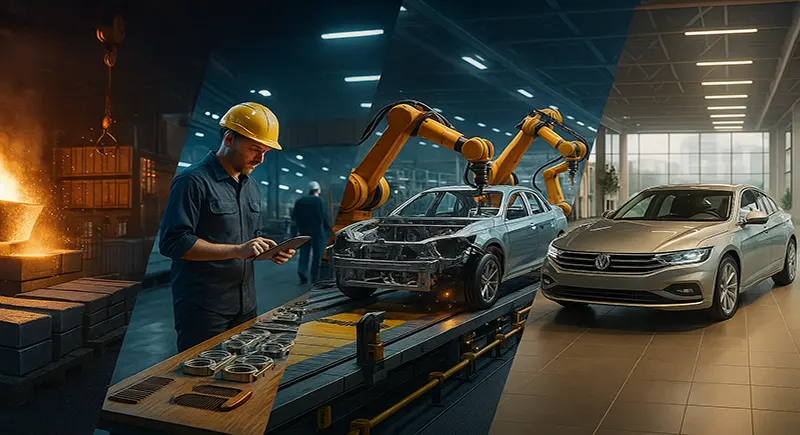
How the Automotive Supply Chain Works: From Raw Materials to the Dealership Floor

The automotive industry relies on one of the most complex logistical networks in the world. A single modern vehicle is composed of tens of thousands of individual components, all of which must arrive at the assembly line in perfect sequence and timing. This intricate journey, known as the automotive supply chain, starts deep in the earth and finishes on the dealership floor. Tracing this process reveals a highly coordinated system, built on layers of dependency, that transforms basic resources into sophisticated machines.


Tier Zero: The Foundation of Raw Materials

The foundation of every car begins with raw materials sourced from around the globe. This Tier Zero level includes vast quantities of steel and aluminum for the body and chassis, plastics and rubber for the interior and tires, and critical minerals like lithium, cobalt, and rare-earth magnets essential for electric vehicle (EV) batteries and electronic components.

These materials … Continue reading >>>

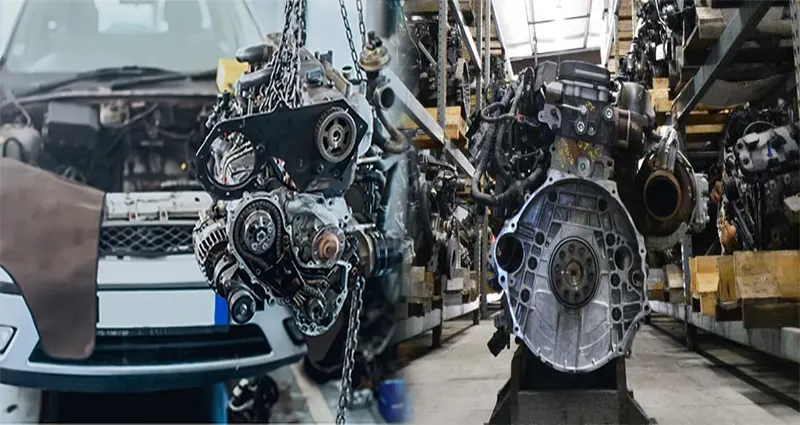
Top-Rated Salvage Yards for Quality Used Auto Parts

When it comes to repairing or restoring a vehicle, finding quality used auto parts can make a significant difference in both performance and budget. Salvage yards, also known as junkyards or auto recyclers, can be treasure troves for car enthusiasts and mechanics seeking reliable and affordable spare parts. Here are some of the top-rated salvage yards renowned for their quality inventory of used auto parts:

ABC Auto Salvage:

With a vast selection of used auto parts ranging from engines and transmissions to body panels and accessories, ABC Auto Salvage has established a reputation for providing top-notch parts at competitive prices. Their knowledgeable staff and organized inventory system make finding the right part a breeze.

Greenway Auto Parts:

Specializing in environmentally friendly auto recycling, Greenway Auto Parts offers a wide range of quality used parts for various makes and models. Their commitment to sustainability and customer satisfaction has earned … Continue reading >>>