Pressed Parts: How They Are Made, Where They Excel, and What to Specify

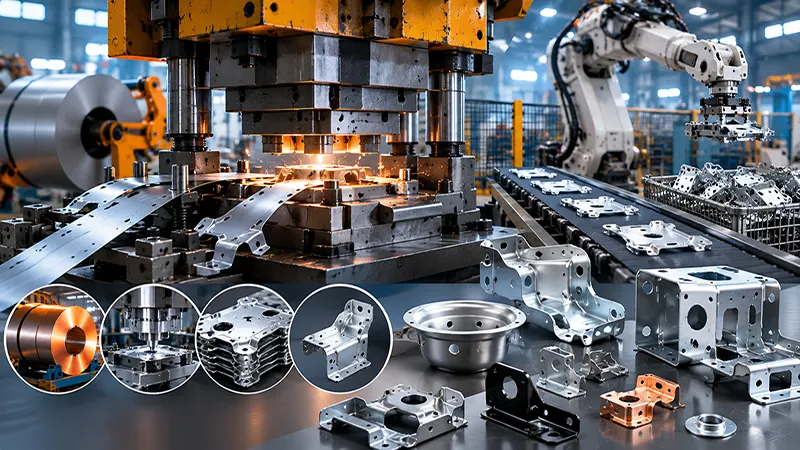
Pressed parts are everywhere in modern engineering, from automotive body structures and brackets to enclosures, appliance components, and electrical contacts. Made by forming sheet or coil metal under a press rather than cutting it from solid stock, pressed parts offer a combination of strength, repeatability, and low per-unit cost that few other processes match at volume. For engineers, designers, and procurement specialists, understanding how these components are produced, where they make sense, and what to specify is the key to getting reliable parts without unnecessary cost or delay.

This guide explains what pressed parts are, the main processes behind them, the material and design factors that determine success, and the practical guidance that helps technically minded readers make sound decisions. The approach is neutral and educational rather than a pitch for any single method or provider.

What Pressed Parts Are and How They Are Produced

A pressed part is formed … Continue reading >>>

Most Reliable Used Cars Under $20,000 with Apple CarPlay in 2026

In 2026, the used car market has finally found its footing after years of volatility. For buyers with a $20,000 budget, the priority has shifted from just finding “any” car to finding one that balances modern connectivity with long-term mechanical survival. Apple CarPlay is no longer a luxury—it is a safety and convenience essential for the digital nomad and daily commuter alike.

Fortunately, the “sweet spot” for this budget currently lands on vehicles manufactured between 2019 and 2022. These cars have depreciated enough to fit the sub-$20k bracket while still offering the safety tech and smartphone integration that defined the early 2020s.

The Reliability Champions: Compact Sedans

If your goal is to minimize repair bills, the compact sedan segment remains the gold standard. In 2026, these three models dominate the “best value” lists.

1. 2021 Toyota Corolla

The 2021 Corolla is the poster child for reliable used cars. … Continue reading >>>

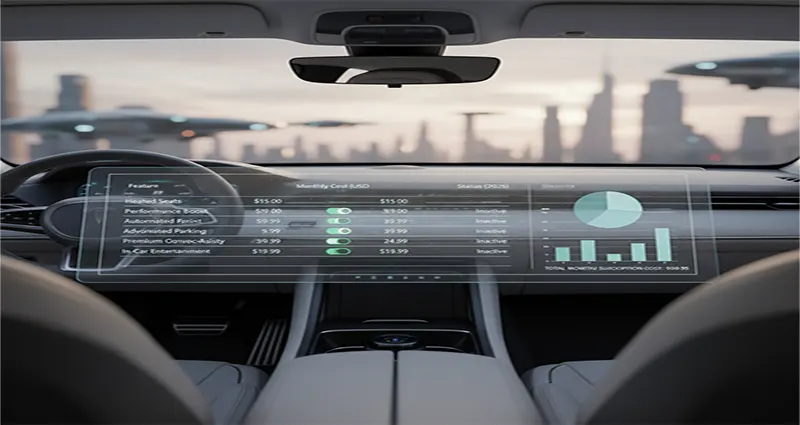
Comparing Monthly Costs of Car Feature Subscriptions in 2026

The era of “one-and-done” car buying is officially over. As we navigate through 2026, the automotive industry has fully pivoted toward the Software-Defined Vehicle (SDV). Manufacturers have realized that while selling a car happens once every few years, selling “access” to that car’s features can happen every month.

For the modern consumer, this means the “sticker price” of a car is just the entry fee. To help you budget for your next vehicle, we’ve broken down the monthly costs of the most popular feature subscriptions across the major 2026 automotive players.

The Big Three: Luxury Connectivity Costs

In 2026, premium brands like BMW, Mercedes-Benz, and Audi have moved away from physical “option packs” in favor of digital activations. Here is what you can expect to pay monthly for standard comfort and tech features.

1. BMW: The “ConnectedDrive” Store1

BMW has expanded its digital storefront significantly.2 While they … Continue reading >>>

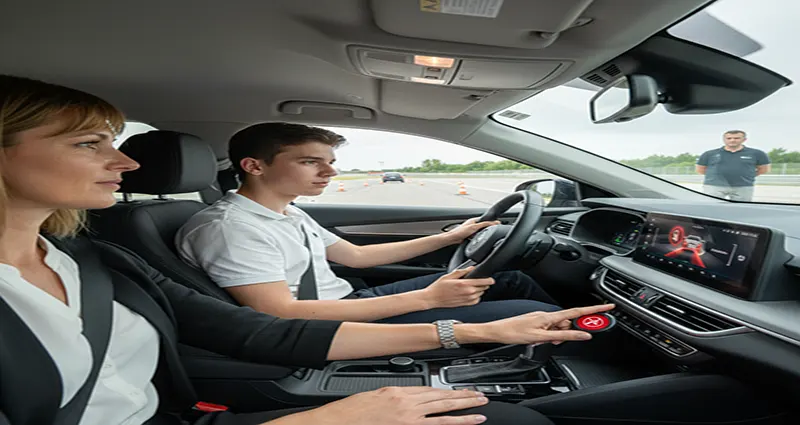
New Car Safety Features for Teen Drivers: Emergency Stop Assist Explained

The first year of independent driving is a rite of passage, but for parents, it is often a period of high anxiety. Statistically, teen drivers are at a higher risk of accidents due to inexperience and a high susceptibility to distractions. However, as we enter 2026, a new generation of automotive technology is stepping in to act as a “digital co-pilot.”

Among the most significant advancements is Emergency Stop Assist (ESA). While related to the Automatic Emergency Braking (AEB) systems we’ve seen for years, ESA is a much more comprehensive “guardian” system designed to take over when a driver becomes completely unresponsive. For families with young drivers, understanding how this feature works could be a literal lifesaver.

What is Emergency Stop Assist (ESA)?

Emergency Stop Assist is an advanced active safety system that monitors the driver’s engagement with the vehicle. Unlike standard emergency braking—which reacts to an external obstacle … Continue reading >>>

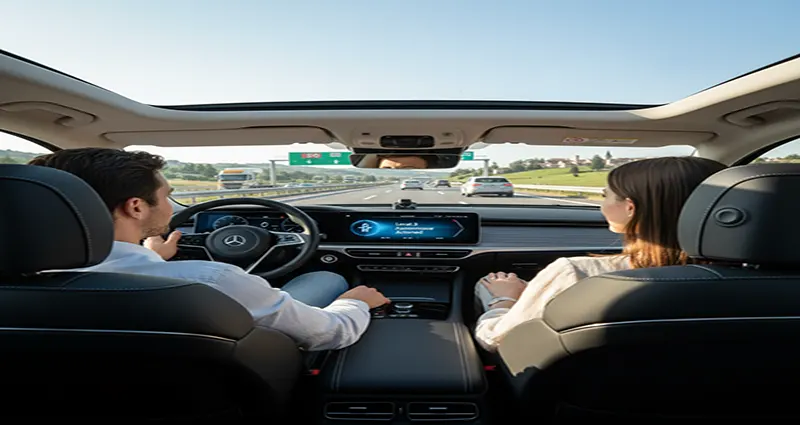
How to Use Level 3 Autonomous Driving Hands-Free in the EU

For the first time in automotive history, the “eyes-off, hands-off” dream has arrived on European motorways. As of early 2026, the regulatory landscape has shifted significantly. While Level 2 systems (like Tesla’s Autopilot or Volvo’s Pilot Assist) require you to keep your hands on the wheel and eyes on the road, Level 3 Conditional Automation allows the vehicle to take full legal and technical control under specific conditions.

In the European Union, this transition is governed by strict UN-R157 regulations and local traffic laws. Here is your comprehensive guide on how to safely and legally use Level 3 autonomous driving in 2026.

1. Understanding the Legal Framework: UN-R157

The backbone of Level 3 driving in the EU is the UN Regulation No. 157. Originally limited to low-speed traffic jams (up to 60 km/h), the regulation was updated to allow “Automated Lane Keeping Systems” (ALKS) to operate at speeds of … Continue reading >>>