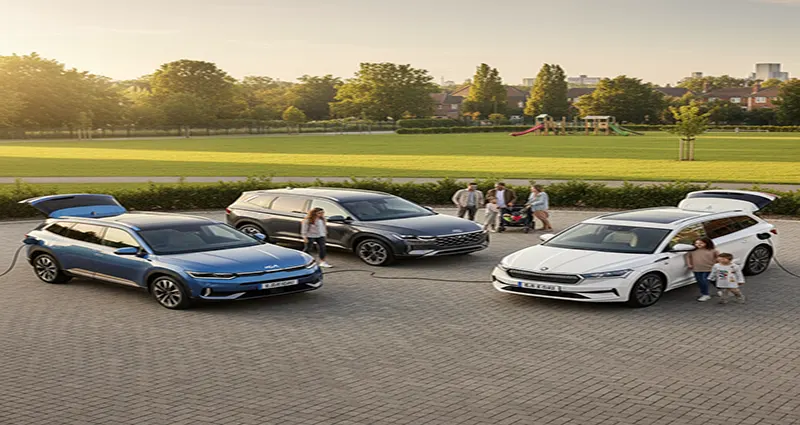
Best 7-seater electric SUVs for families under £60k

Finding a spacious, all-electric vehicle that doesn’t break the bank has historically been a challenge for large families. However, as we move through 2026, the market has finally caught up with demand. While luxury flagships like the Volvo EX90 or the Kia EV9 often grab the headlines with prices soaring past £75,000, there is a new “sweet spot” in the market.

For families with a budget capped at £60,000, the options are more diverse and capable than ever before. From retro-styled MPVs to tech-heavy compact SUVs, here are the best 7-seater electric SUVs for families under £60k.

1. Hyundai Ioniq 9 (Standard Range)

Starting Price: ~£57,575

Best For: Sumptuous comfort and ultra-fast charging.

The newly released Hyundai Ioniq 9 is the cousin to the award-winning Kia EV9 but carries a slightly more approachable entry price for the standard-range model. Built on the E-GMP platform, it features an 800V architecture … Continue reading >>>

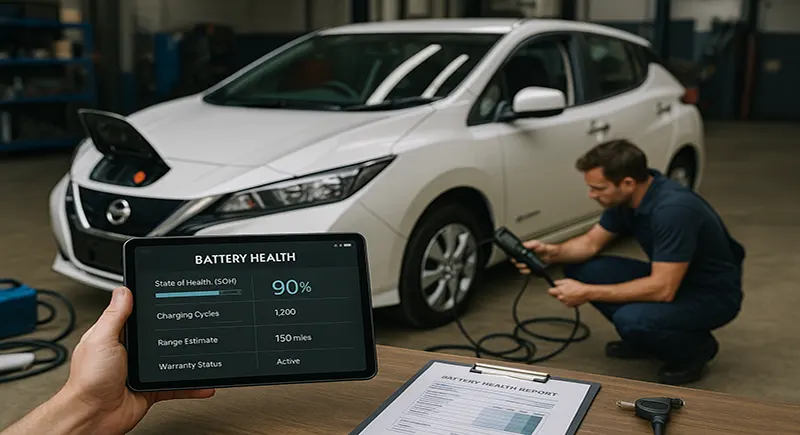
Used Nissan Leaf Battery Health Check Before Purchasing (A Buyer’s Guide)

The Nissan Leaf remains one of the most popular and affordable choices for drivers seeking an entry point into electric vehicle ownership. However, for early models (primarily those produced between 2011 and 2017), a critical caveat exists: its battery design, which lacks active thermal management, makes degradation a significant concern. To secure a successful and useful purchase, buyers must move past simple mileage and focus intently on battery health. This guide will empower buyers with the essential knowledge and step-by-step methodology to accurately check the battery and avoid purchasing a car with severely degraded range.


Understanding the Degradation Challenge

The biggest technical limitation of the early Leaf (which includes both 24 kWh and 30 kWh battery packs) is that it relies on passive cooling—meaning it uses ambient air and the vehicle body to dissipate heat, rather than active liquid cooling loops found in many modern EVs.

This … Continue reading >>>

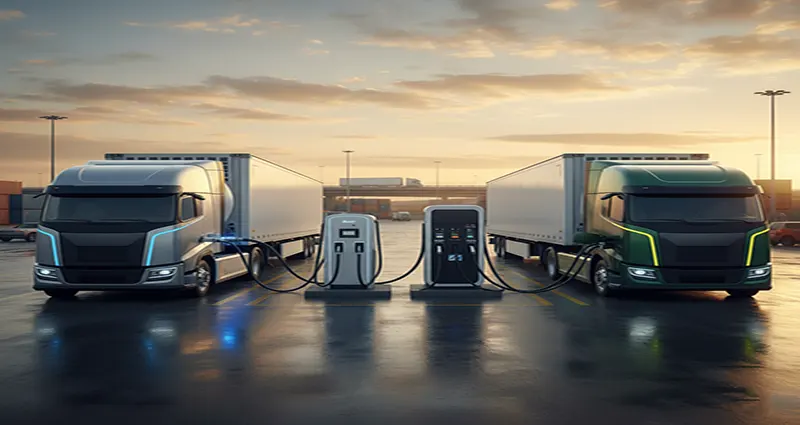
Digital Twin Technology in Automotive Manufacturing for Supply Chain Resilience

In the high-stakes world of automotive manufacturing, a single missing microchip or a delayed shipment of specialized steel can bring multi-billion dollar assembly lines to a grinding halt. As the industry shifts toward electric vehicles (EVs) and autonomous systems, the complexity of the global supply chain has reached a breaking point. Enter Digital Twin technology: the “resilience layer” that allows manufacturers to mirror their physical reality in a virtual world to anticipate, simulate, and survive disruptions.

The Architecture of Resilience: What is a Supply Chain Digital Twin?

A Digital Twin is not a static 3D model; it is a dynamic, living virtual representation of a physical asset, process, or system. In the context of the automotive supply chain, it creates a “digital thread” that connects raw material suppliers, Tier-1 component manufacturers, logistics providers, and the factory floor.

The Three Core Pillars:

  1. The Physical Entity: The actual trucks, warehouses, inventory,
Continue reading >>>
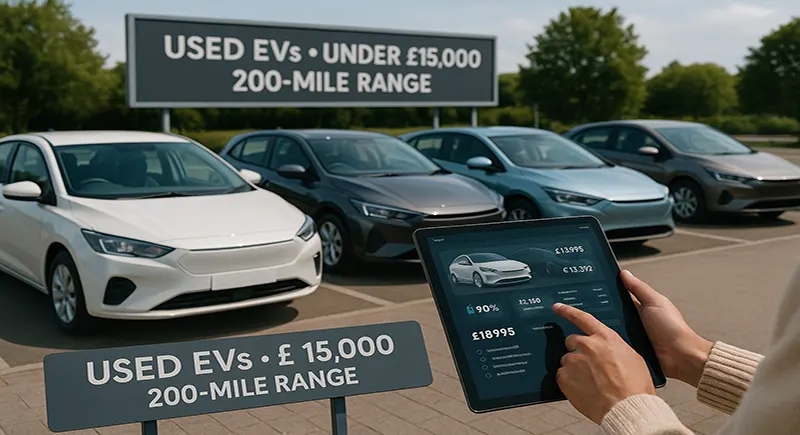
Best Used Electric Cars Under £15,000 with a 200-Mile Range

The two most common hurdles preventing drivers from making the leap to electric vehicles are the high initial purchase cost and the fear of running out of charge—the dreaded range anxiety. For years, securing a true long-range EV meant breaking the bank. However, thanks to depreciation and a maturing market, the used EV landscape has shifted dramatically. This guide is designed to prove that the used market now offers high-mileage EVs below the critical £15,000 price point, specifically focusing on models that deliver nearly or fully 200 miles of usable range.


The Budget Reality Check

When discussing an EV’s range, it is vital to distinguish between the official WLTP (Worldwide Harmonised Light Vehicle Test Procedure) figure and the real-world range. The WLTP number is optimistic, based on laboratory testing. For a 200-mile “real-world” range (a reliable distance for intercity travel without excessive stress), you should be looking for … Continue reading >>>

German Automotive Industry Strategy Against Chinese EV Market Competition

The decades-long dominance of German engineering, synonymous with automotive quality and innovation, is facing an unprecedented strategic challenge. Aggressive, high-tech, and low-cost Chinese EV entrants, such as BYD and Nio, are rapidly gaining market share not only in their home territory but also increasingly in Europe. The core of this threat lies in their command of electric vehicle technology and their efficient manufacturing pipelines. This article will dissect the core strategies German Original Equipment Manufacturers (OEMs)—including BMW, Mercedes-Benz, and the Volkswagen Group—are deploying to defend their market share and regain a decisive competitive edge in the electric era.


The Threat Assessment: Speed and Cost

The nature of the Chinese competitive advantage is two-fold: speed of development cycles and cost efficiency. Chinese EV players have mastered vertical integration, controlling everything from battery cell production and software development to final assembly. This control allows them to iterate rapidly and … Continue reading >>>